Bar With Private Room Tips for Hosting a Product Launch
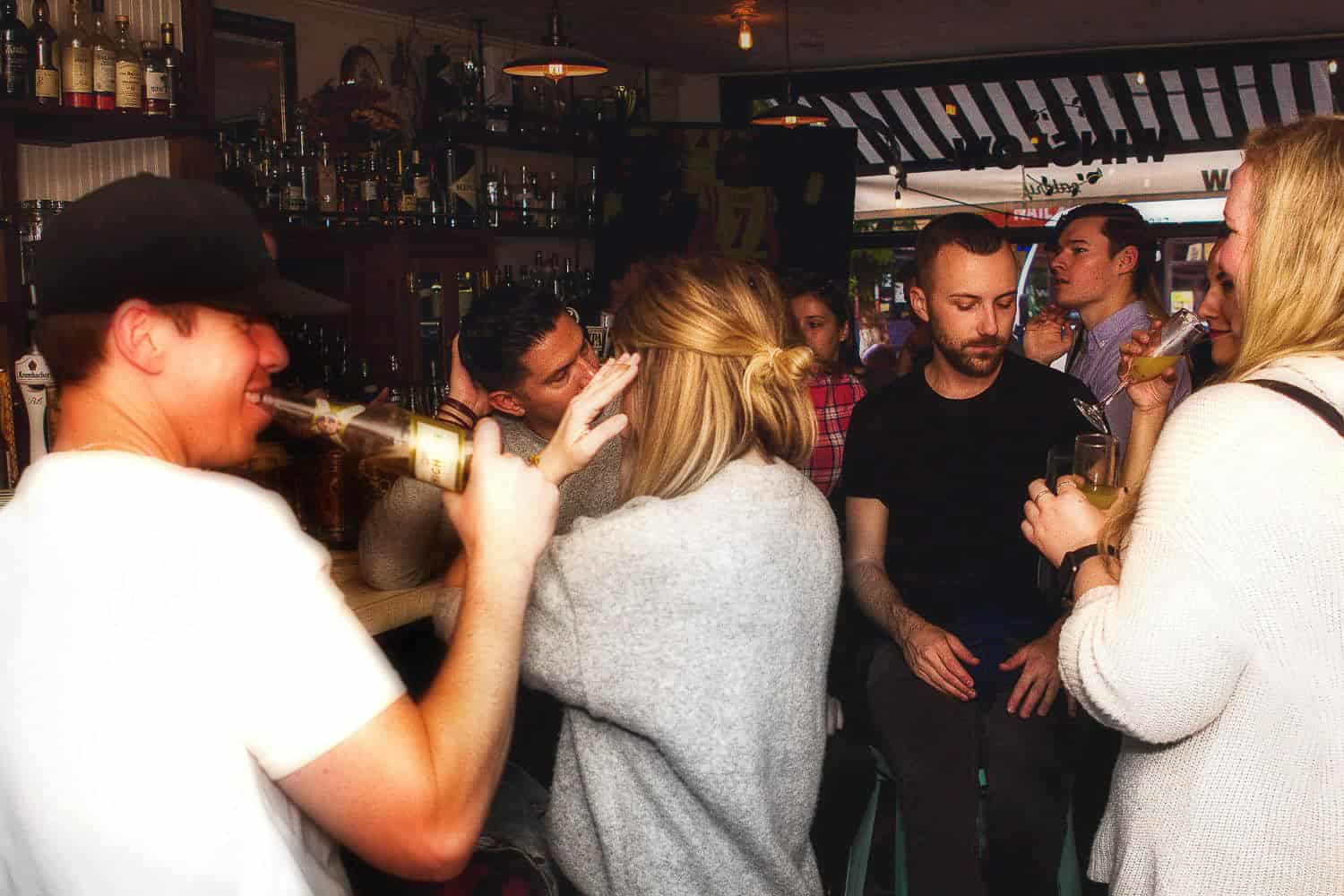
A product launch can look polished on paper and still fall flat in the room. I have seen beautifully designed invites, sharp branding, and thoughtful presentations get undermined by one practical mistake: the venue did not fit the event. For a launch, atmosphere matters, but control matters more. That is why a Bar With Private Room often works better than a fully open venue or a formal conference space.
The right private room gives you sound separation, a captive audience, and a setting that feels social rather than stiff. It can help a new product land with more energy, especially when the goal is not only to inform people but also to make them talk, photograph, share, and remember. Still, not every private room in a bar is a good launch space. Some look excellent in photos and fail badly once fifty guests, a microphone, a product table, and a service team all occupy the same square footage.
If you are planning a launch in a private bar space, the details that matter are rarely glamorous. Ceiling height. Sightlines. Where glasses get stacked. Whether the bartender starts blending frozen drinks in the middle of your founder remarks. Those are the things that shape the evening.
Why a private room often beats the main floor
Public bar areas create energy, but they also create friction. Your guests compete with regular patrons for attention, servers need to push through crowded walkways, and every speech is fighting sports broadcasts, background playlists, and the natural roar of a busy room. That can work for a casual networking mixer. It is not ideal when you need people to understand what your product does and why it matters.
A private room changes the equation. You can pace the event instead of surrendering it to the venue’s normal rhythm. Music can be lowered or paused. Lighting can be adjusted for a reveal or a short presentation. Branded materials can stay visible without getting lost in general foot traffic. Guests know where the event begins and ends, which sounds simple but has a real effect on how engaged they are.
There is also a psychological advantage. A launch inside a private room feels intentional. Guests feel like they were invited into something distinct, not merely told to meet at a bar and look for the logo sign. That sense of exclusivity is useful whether you are unveiling a consumer product, courting buyers, hosting press, or giving early access to investors and partners.
Start with the room, not the bar
People often shop for a venue by asking which bar has the best reputation, strongest cocktails, or trendiest address. For a social night out, that makes sense. For a product launch, the room itself should be the first filter.
I usually begin by sketching the event in functional terms. How many people do you expect? Will they stand, sit, circulate, or watch a short talk? Do you need a demo station, a screen, a check-in table, a photo backdrop, a gifting area, or a secure place to store product cases? Once those needs are clear, you can evaluate whether the private room supports them.
A room that holds 60 people for cocktails may hold only 35 comfortably once you add a presentation area and two branded displays. A room with exposed brick and low lighting may look warm and premium, but if guests cannot read packaging details or scan a QR code without using their phone flashlight, the mood works against the product.
One launch I attended for a beauty brand illustrates the point. The venue had a gorgeous upstairs lounge with velvet banquettes and amber lighting. It looked ideal for social content. The problem was that the product shades could not be assessed accurately under the room’s lighting. Guests kept walking to the hallway and restroom mirror to see what they had sampled. The event still generated buzz, but the room made the product experience worse, not better.
Capacity numbers are often optimistic
Venue managers will give you a capacity number. Treat it as a starting point, not a promise. Their number usually reflects maximum occupancy under ideal conditions, not a comfortable launch environment with staff movement, product interaction, and moments when everyone turns toward one focal point.
For a standing reception with no formal talk, a space can feel lively at near stated capacity. For a launch with speeches or demos, I prefer to build in breathing room. If a room is listed for 80 standing, I would think carefully before inviting more than 55 to 65 unless the layout is unusually efficient. Once coats, bags, equipment cases, and catering setups enter the picture, the real usable space shrinks fast.
This matters not only for comfort but for perception. An overcrowded launch can look successful on social media while feeling frustrating in person. Guests who cannot hear, cannot move, and cannot get a drink do not leave impressed. They leave early.
Sound is the first thing to test in person
Never book a private room for a launch based only on photos. Visit the room at roughly the same time and day pattern as your planned event. If you can, ask the venue to let you hear the room with the door open and closed, with background music at a typical level, and with someone speaking from the spot where your presenter would stand.
Sound problems are expensive because they affect everything at once. Guests miss the key message, staff repeat instructions, and the room’s energy fractures. Bars are especially tricky because many private rooms leak sound from the main floor through stairwells, service entries, thin partition walls, or shared ceilings.
Pay attention to whether the room has hard surfaces throughout. Brick, glass, bare wood, and tile can create a sharp echo that makes spoken words blur together. Soft furnishings help, but they are not a cure if the room is acoustically harsh. If your launch depends on a founder story, media briefing, or product explanation, ask whether the venue has a sound system that is truly part of the room and not a portable speaker set on a side table ten minutes before guest arrival.
A simple test tells you a lot. Stand at one end, have someone speak at a normal presentation volume from the other, then walk the perimeter. If clarity drops badly along the sides or near the back, you will need amplification and careful staging.
Layout decides how the event feels
The strongest private rooms for launches usually support three things at once: arrival flow, brand focus, and natural mingling. Guests should know where to enter, where to get a drink, where to look for the main moment, and where to explore the product. If any of those functions overlap awkwardly, the room starts working against you.
I have found that rectangular rooms often outperform oddly shaped ones, even when the irregular room looks more distinctive. A predictable layout is easier to brand and easier for staff to manage. You can place check-in near the entrance, drinks to one side, product interaction toward the best-lit wall, and a speaking position where most guests have a clean sightline. In a quirky L-shaped room, a third of the crowd may end up disconnected from the core experience.
Sightlines matter more than hosts expect. If guests cannot see the person speaking or the product reveal, they begin side conversations. Once that starts, regaining the room is difficult. Raised platforms help if used sparingly, but they are not always necessary. Often, simply reserving a wall as a focal plane and keeping furniture low in front of it is enough.
Food and drink should support the product, not hijack it
Bars know how to sell drinks. That is one reason they are attractive event venues. But a product launch is not a generic happy hour, and beverage service should be shaped around your goals.
If the product is tactile, visual, or technical, guests need their hands and attention free. Oversized cocktails that drip, two-handed stemware, or snacks that crumble all over a demo table are small operational mistakes that become memorable annoyances. The best menus for launches are easy to carry, quick to replenish, and neat to consume while holding a sample, brochure, or phone.
I tend to recommend a short drinks menu rather than a full open bar during the main launch window. This reduces line time and keeps service moving. It also makes staffing more predictable. A full cocktail menu may sound generous, but if one bartender is crafting espresso martinis for fifteen minutes while your founder is about to speak, generosity has become a bottleneck.
There is also a branding opportunity here. A signature drink can be useful if it connects naturally to the product or campaign, but forced naming gimmicks can feel cheap. If your product is sophisticated, the menu should reflect that restraint. If it is playful, brighter choices can work. The important thing is coherence.
Ask hard questions before signing
A polished venue tour can create false confidence. By the time contracts arrive, many hosts are still assuming details that were never actually confirmed. Before you commit to a Bar With Private Room, get specific answers in writing to questions like these:
- What is included in the room fee, and what triggers extra charges for staffing, AV, overtime, or setup?
- Can the venue control music independently in the private room, and who has final authority during the event?
- Where can product, signage, and personal items be stored before and during the launch?
- What time can vendors access the room for setup, and how early can guests arrive without colliding with turnover?
- Is there any restriction on branding elements such as step-and-repeat walls, candles, floral installations, sampling, or photography equipment?
Those questions expose most of the friction points. They also signal to the venue that your event has professional standards, which often improves how seriously they handle the booking.
Timing is not just about start and end
Launches have a rhythm, and the room needs to support it. There is a difference between a room that is available from 6 p.m. To 9 p.m. And a room you can actually start building at 4 p.m., sound check at 5 p.m., receive guests at 6:15 p.m., and clear out calmly at 9:30 p.m. Many event issues come from compressed access windows, not from the event itself.
When a bar hosts regular service before your event, private room turnover can be tight. Tables may be in the wrong place. Floors may still be drying. Your branded materials may arrive while the prior booking is still finishing dessert. If your launch has press, content creators, or executives on a firm schedule, those delays are costly.
I prefer to map timing backward from the key moment of the evening, usually the product reveal or main remarks. If that happens at 7:15 p.m., guests should not still be queuing for wristbands at 7:10. Drinks should already be in hand. Music should have established a tone. Key stakeholders should have arrived and been greeted. That means setup, staffing, and access decisions need to be made long before the calendar invite goes out.
Think like a guest for the first ten minutes
The guest’s first ten minutes often determine whether the event feels smooth or improvised. They arrive from the street, possibly in weather, carrying a bag or coat, maybe unsure whether they are early. What happens next?
At a good launch, the sequence feels effortless. The entrance is easy to identify. Check-in is quick. Coats are handled decisively if relevant. The host team directs people naturally toward a first drink or a first touchpoint with the product. Branding confirms they are in the right place, but it does not scream over the environment. Within minutes, guests understand the mood and the point of the evening.
At a bad launch, guests bunch up at the bar entrance because no one is sure where the private room is. Someone points upstairs. The room is not fully ready. The drinks station is behind the main photo setup. The founder is trapped greeting everyone at the door instead of preparing remarks. These may sound like minor details, yet they shape perception more than expensive floral pieces ever will.
Lighting can make or break the launch
Private rooms in bars are often designed for atmosphere rather than utility. That is not a flaw in itself, but it becomes one if guests need to inspect, photograph, test, or understand the product clearly.
A tech accessory launch may need power access and enough light for close inspection. A skincare launch may need flattering but accurate lighting. A food product launch may need to make color and freshness look appealing, not muddy. A fashion accessory reveal may need mirrors and a little contrast. You do not need a bright white showroom, but you do need visual clarity where the product is experienced.
Sometimes a venue can adjust dimmers room-wide. Sometimes it cannot. Portable accent lighting can help, though it must be subtle enough not to make the room feel like a trade show booth. I once worked on a small consumer electronics event where two focused LED lights transformed a dark back table into the most active area in the room. Guests stayed longer simply because they could actually see what they were trying.
Service style affects credibility
The staff in a private room are part of the experience whether you plan for that or not. Well-briefed bartenders and servers can reinforce your launch. Unbriefed staff can unintentionally undercut it.
At minimum, venue staff should know the event name, pronunciation of the brand, expected timeline, and whether there will be a quiet period for remarks. If you have a product with a name that invites questions, brief them on a one-line description so they are not caught off guard. They do not need a sales script. They do need context.
There is also value in deciding who has event authority on site. In many launches, confusion begins because the venue manager thinks the PR lead is in charge, the PR lead thinks the founder’s assistant is in charge, and the brand team assumes the venue will manage flow. One clear point person fixes a surprising number of problems.
Build content opportunities without turning the room into a set
Most launches want photos, short videos, and social sharing. A Bar With Private Room is often ideal for this because the environment already has texture and mood. Still, the fastest way to cheapen a room is to over-brand every surface.
A better approach is selective emphasis. Give people one strong visual anchor, perhaps a reveal table, a branded backdrop, or a textured installation near the entrance. Then let the rest of the room breathe. If every wall carries messaging, guests stop seeing all of it. If one area is clearly camera-ready, content happens more naturally.
Think about how people actually photograph events. They want flattering light, a clean background, and enough space to frame a shot without bumping a stranger’s elbow. If your private room has one attractive architectural feature, a paneled wall, backlit shelves, an arched doorway, use it. Integrating your product into the room almost always feels more upscale than fighting the room with too many freestanding signs.
Small budgets still need standards
Not every launch has agency support or a five-figure production budget. That does not mean the event should feel improvised. Some of the strongest small launches I have attended were disciplined about only a few things: room fit, guest list quality, concise programming, and one memorable product touchpoint.
If budget is tight, put money where guests feel it directly. Better staffing usually beats elaborate decor. A controlled drinks package often beats paying for a longer rental. Good photography for one hour can outperform trying to document the entire night badly. Fewer guests in a room that feels intentionally full often create more buzz than a broad invite list in a half-active space.
You can also save money by matching the room to the event format rather than forcing the room to become something else. If a private room already has rich finishes, built-in shelving, and warm lighting, use those assets. You may need only restrained florals, a printed menu card, and clean product staging to make the space feel branded.
Common mistakes that are easy to avoid
Some launch problems recur so often that they are almost predictable. The good news is that most are preventable with a little pressure-testing before event day.
- Booking for image instead of function, then discovering the room cannot support speeches, demos, or traffic flow.
- Assuming the venue’s AV is event-ready without testing microphones, connectors, speaker placement, and volume control.
- Letting the drinks program become too complex, which creates lines and distracts from the product.
- Over-inviting relative to the true usable capacity of the private room.
- Treating setup time as flexible when the venue has hard turnover constraints.
Each of those mistakes has a domino effect. Fix them early, and the launch usually becomes easier in every other respect.
Match the room to the kind of launch you are actually hosting
Not every product launch needs the same emotional register. A fintech product for investors and partners may benefit from a quiet, polished room with strong acoustics and a concise service style. A lifestyle product for creators may thrive in a more atmospheric room with vivid cocktails and strong https://juliuspeei838.cavandoragh.org/how-to-host-a-business-mixer-at-a-bar-with-private-room visual moments. A local consumer brand launching a seasonal item may do best in a neighborhood bar with loyal regular energy, provided the private room still gives enough control.
The mistake is trying to satisfy every audience at once. If the event needs education, prioritize clarity. If it needs excitement, prioritize movement and visual impact. If it needs relationship-building, prioritize comfort and conversation. The private room should be selected to support that primary objective, not to check every possible box halfway.
The best launches feel effortless because someone sweated the details
Guests rarely notice the exact reason an event feels smooth. They do not say, “The sightlines were excellent,” or “The access window allowed proper setup.” They say the launch felt sharp, organized, enjoyable, worth attending. That reaction usually comes from dozens of unglamorous decisions made in advance.
A Bar With Private Room can be one of the smartest choices for a product launch because it blends hospitality with control. It gives you a social setting people want to attend and a contained environment where your message has a chance to land. But the room has to be chosen with the product, the audience, and the event mechanics in mind.
If you get those elements right, the venue does more than hold the launch. It actively strengthens it. Guests hear what matters, interact with the product the way you intended, and leave with a clearer impression of the brand. That is the real goal, not just filling a room for a few hours, but creating the conditions for the product to be understood, remembered, and talked about afterward.
The Winslow
Address: 243 E 14th St, New York, NY 10003
Phone number: +12127777717
FAQ About Bar With Private Room
Which bars in NYC offer private rooms?
Many bars in New York City offer private and semi-private rooms for parties and events, ranging from hidden basement speakeasies to upscale lounge spaces. Top options include The Back Room on the Lower East Side, Dear Irving Gramercy, Pebble Bar in Midtown, Mister Paradise in the East Village, and The Winslow in the East Village.
What is a private room in a pub called?
A small, private seating area or partitioned booth in a traditional pub is most commonly called a snug. Larger private rooms used for events, parties, or dining are typically referred to as private dining rooms, function rooms, or back rooms.
How much does a 2 hour open bar cost?
A 2-hour open bar generally costs between $15 and $45 per person, depending heavily on the quality of alcohol you choose. For a standard group of 100 guests, this translates to an overall cost of $1,500 to $4,500 before taxes, setups, and staff gratuities.