Drunken Noodles Near Me With Customizable Spice Levels
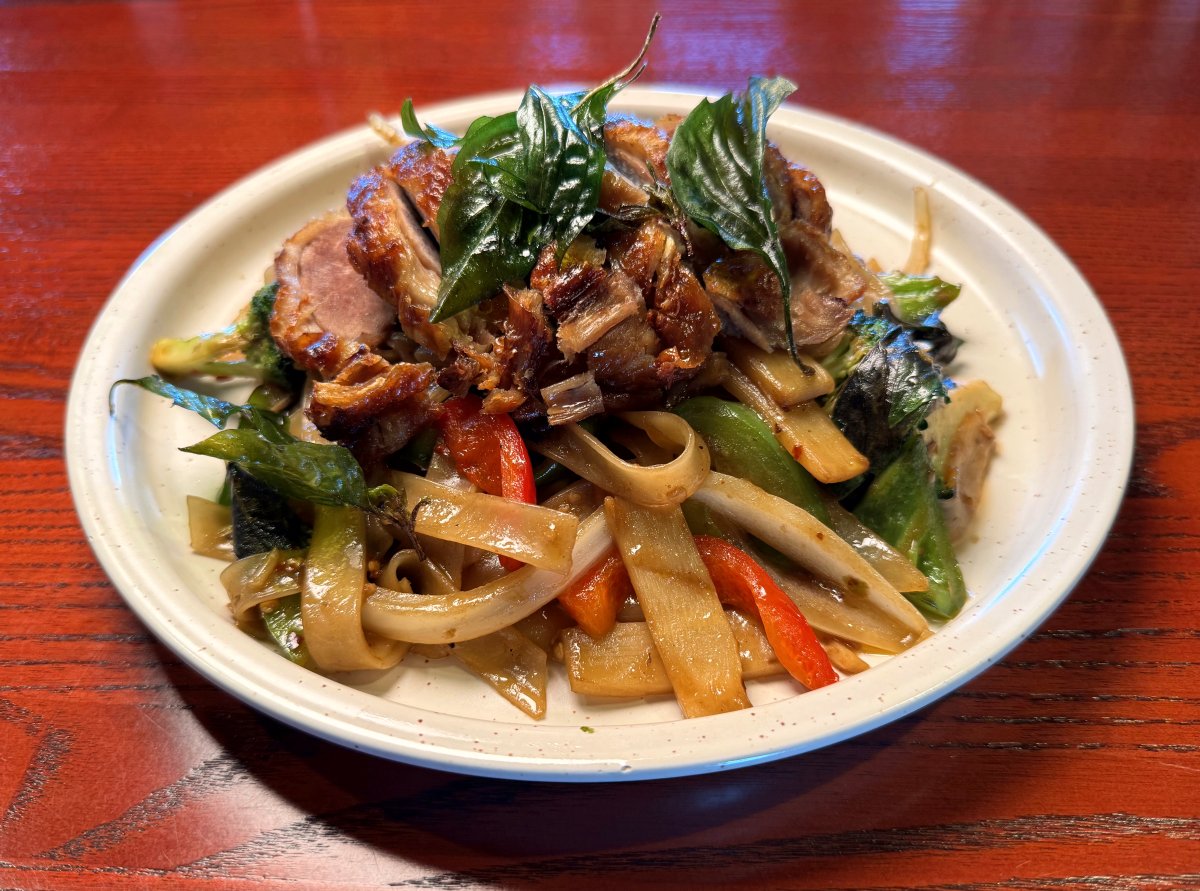
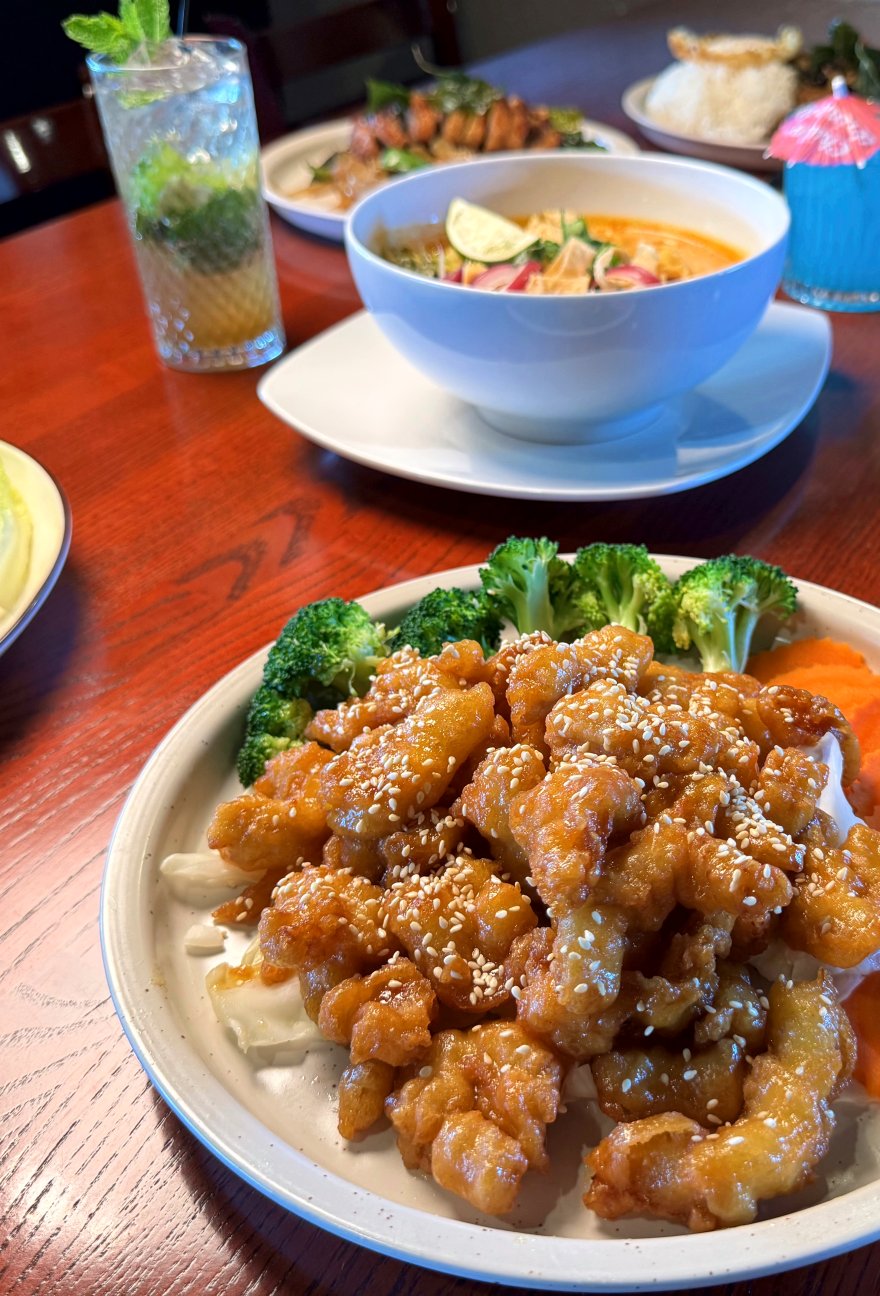
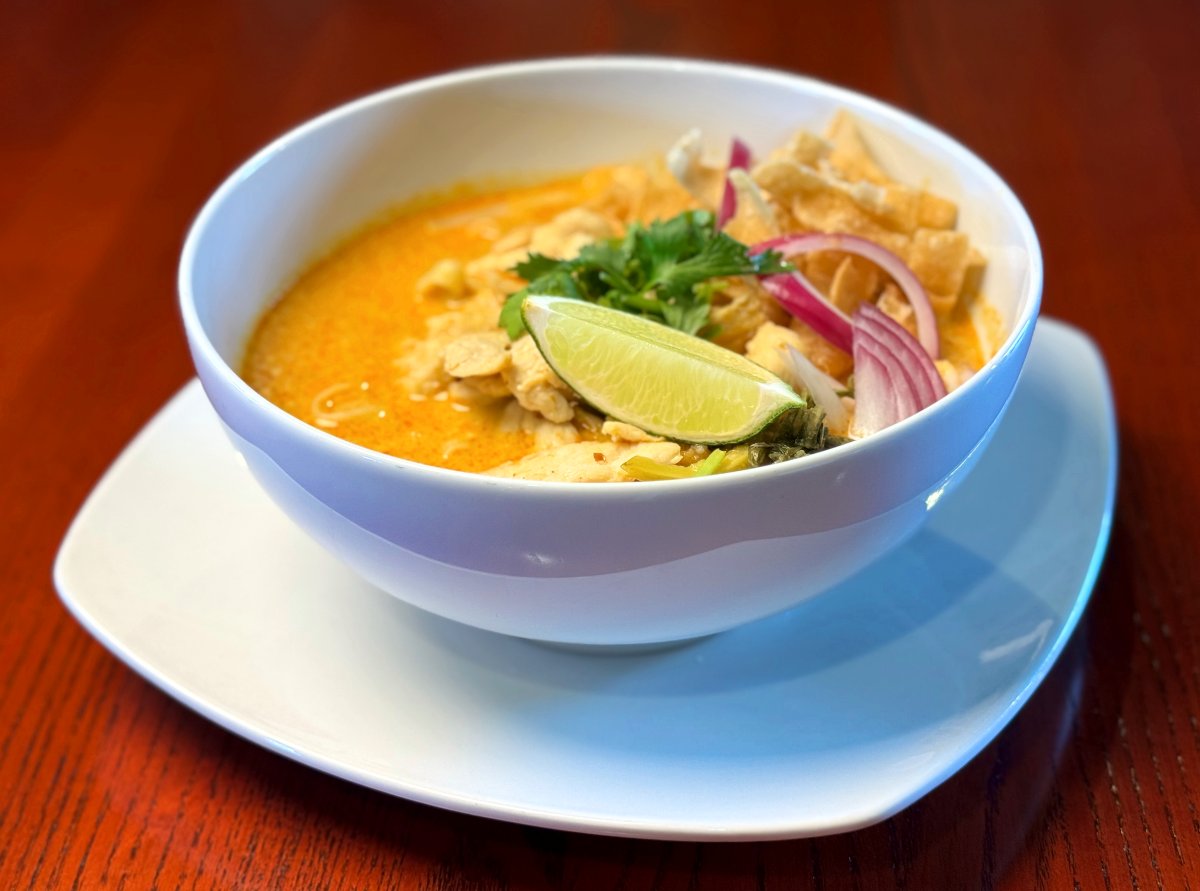
Few takeout searches are more specific, or more revealing, than typing Drunken Noodles Near Me into your phone and hoping the right place pops up. You are not just looking for noodles. You are looking for a very particular balance of heat, chew, sweetness, char, basil, and late-night satisfaction. You want broad rice noodles that hold sauce without turning gummy. You want vegetables that still taste alive. You want enough chili to wake up the dish, but not so much that every other flavor disappears after two bites.
That is where customizable spice levels matter.
Drunken noodle, often known on Thai menus as pad kee mao, is one of those dishes that can swing wildly from one kitchen to another. At one restaurant it arrives glossy, savory, and deeply aromatic, with a heat that blooms rather than attacks. At another, it comes out bluntly spicy, heavy on sugar, or overloaded with bell peppers and onions until the noodles feel like an afterthought. If you have ever ordered a Drunken Noodle expecting layered flavor and received a box of scorched chili paste with limp noodles, you already know the difference a thoughtful kitchen makes.
A good version of this dish is not simply hot. It is calibrated. The best restaurants understand that spice is a tool, not a dare.
What makes drunken noodle worth the search
Drunken noodle has become a staple on Thai restaurant menus in https://spencereijv766.yousher.com/top-search-tips-for-finding-drunken-noodle-near-me-quickly the United States for good reason. It delivers comfort food texture with real intensity. The noodles are wide and soft, but they should still offer resistance at the center. The sauce often leans on soy-based salinity, a touch of sweetness, garlic, and sometimes fish sauce or oyster sauce for body. Thai basil gives the dish its distinctive perfume, especially when it hits the hot pan and releases that slightly peppery, anise-like aroma.
What keeps people coming back, though, is the way the dish handles customization. Unlike some noodle dishes that fall apart when altered, drunken noodle can absorb changes fairly well. Protein swaps are common. Vegetable additions often work. Heat levels can be raised or lowered without ruining the format, as long as the cook understands proportion. That flexibility is why people who search for Drunken Noodles Near Me are often not just picking a meal, they are looking for a place they can rely on repeatedly.
I have eaten versions of drunken noodle from tiny family-run shops, polished urban Thai restaurants, campus takeout counters, and hybrid Asian spots that put it on the menu because customers asked for it. The difference is rarely about décor or price. It usually comes down to whether the kitchen respects the dish enough to cook it to order and season it with intent.
Customizable spice levels are not a gimmick
Menus often list spice levels in broad terms: mild, medium, hot, Thai hot. Those labels can be useful, but only if the restaurant applies them consistently. In practice, spice customization tells you something bigger about the kitchen. It shows whether they are paying attention.
A cook who can make a level 2 still taste complete is usually a cook who understands the dish. A weak restaurant often treats low spice as no flavor, then overcompensates at higher levels by dumping in chili without adjusting anything else. The result is a dish that feels one-dimensional at both ends. The mild version tastes flat. The hot version tastes punishing. Neither is satisfying.
A strong kitchen approaches spice more carefully. At lower levels, the basil, garlic, sauce, and wok aroma still come through. At medium heat, the chili sharpens the edges without eclipsing the rest. At high heat, the burn arrives in layers, but the sweetness and savoriness remain present. That is what you want when ordering a Drunken Noodle. Heat should intensify the experience, not flatten it.
There is also a practical reason to care. Most people do not want the same level of spice every time. A weekday lunch before meetings is different from a Friday dinner at home. Cold weather changes your tolerance. So does stress, hydration, and whether you are eating alone or sharing appetizers. Restaurants that let you dial spice up or down are simply easier to order from often.
Why one restaurant’s medium is another restaurant’s emergency
If you have ever ordered “medium” from two different Thai places and had completely different experiences, that is normal. Spice scales are not standardized. Some restaurants adjust by changing the amount of fresh chili. Others rely on chili flakes, chili paste, or sauces that already contain sugar, garlic, or vinegar. Some kitchens temper heat with extra sauce, while others do not. A cook’s own palate matters too.
Even the type of pepper changes the outcome. Fresh bird’s eye chiles hit differently from dried chili flakes. Fresh chiles can feel sharper and greener. Dried chiles can bring a more lingering heat. Chili paste can add body and color, but it may also sweeten the dish or make it denser. If a restaurant makes several heat levels from the same base, the dish will often feel more integrated. If they toss extra chili on top at the end, the spice can seem disconnected from the rest of the plate.
This is why regulars tend to develop a house strategy. At one spot, “medium” may be perfect. At another, the safer order is “mild plus extra chili on the side.” When people ask me how to judge a new place, I usually tell them not to perform bravado on the first order. Start one step lower than your ego wants. Learn the kitchen. Then adjust next time.
Signs that a drunken noodle shop is likely to be good
When you are scanning local listings or delivery apps, there are clues that suggest whether the restaurant understands the dish. None of them are foolproof, but together they help.
A focused Thai menu is usually a better sign than a giant menu trying to cover Thai, Chinese, Japanese, and sushi all at once. That does not mean fusion places cannot do a solid Drunken Noodle, but specialization matters. Restaurants that list proteins clearly and allow spice notes tend to be more practiced with custom orders. Photos can help, though not always. Look for noodles that appear glossy rather than greasy, vegetables that still hold shape, and basil that looks abundant rather than purely decorative.
Reviews are useful if you read them for specifics instead of star totals. A short comment saying “great food” tells you almost nothing. A review that mentions chewy wide noodles, balanced basil flavor, or a spice level that matched the request is far more valuable. Complaints about mushy noodles, overwhelming sweetness, or wildly inconsistent heat are worth noting because those problems are common and tend to repeat.
Timing matters too. Drunken noodle is a dish that rewards fast, hot cooking. Restaurants that are busy enough to keep ingredients moving often produce better results than places where sauces and noodles sit too long. If you pick up in person and catch the smell of basil, garlic, and seared sauce before the container even reaches the counter, that is usually a very encouraging sign.
The texture test that separates average from memorable
The hardest thing for many restaurants to get right is not spice. It is texture.
Wide rice noodles are delicate. They can tear, clump, dry out, or turn slippery if handled poorly. Over-saucing makes them heavy. Under-saucing leaves them bland and pasty. If the wok is not hot enough, the dish steams instead of sears. Then you lose the slight char that gives drunken noodle some of its soul.
A memorable Drunken Noodle has contrast. The noodles are tender but not collapsed. The onions retain bite. The Chinese broccoli or other greens should not feel exhausted. The protein should be cooked enough to contribute, but not so aggressively that it dries out before the noodles are ready. Even at a high spice level, you should still notice these textural layers.
Delivery complicates this. Rice noodles continue to soften in a closed container, especially during long trips. If you are ordering from farther away, consider asking for slightly less sauce, if the restaurant allows notes, or choose pickup when possible. The best dine-in versions almost always beat the best delivered versions because the dish is built for immediacy. Still, a well-run restaurant can package it in a way that survives the ride better than most.
Choosing your spice level without regret
People often overestimate how much heat they want and underestimate how much heat a stir-fried noodle dish can carry. Drunken noodle traps chili in sauce, oil, and noodle folds, so the spice does not just sit on top. It compounds as you eat. The first two bites can seem manageable, then the dish suddenly becomes much hotter halfway through.
A practical rule is to order based on how much of the full portion you actually plan to finish. If you want leftovers, go slightly lower than your maximum tolerance. Reheated spicy noodles tend to feel hotter, not milder, especially once the sauce settles. If you are dining in and can cool things with a drink or side dish, you can afford to be a little bolder.
These rough guidelines usually hold up at many Thai restaurants:
- Mild should deliver flavor first, with little to no lingering burn.
- Medium should be noticeable by the second or third bite, but still comfortable for most regular spice eaters.
- Hot should dominate your attention without making the dish impossible to taste.
- Thai hot should be treated as a serious request, not a casual upgrade.
That last category exists for people who truly want it. Some do. But many diners order it once, mostly out of curiosity, and never again. There is no shame in wanting a better meal instead of a bigger challenge.
How protein and vegetables change the heat experience
Customization goes beyond chili. Your choice of protein can make the same spice level feel different. Chicken often absorbs sauce evenly and eats relatively clean. Beef can make the dish feel richer and heavier, which may soften the perception of heat at first but create a more lingering finish. Shrimp cooks quickly and can pair well with sharper spice, though it is easy to overcook. Tofu can be excellent if the kitchen sears it properly, but bland tofu in a spicy noodle dish becomes dead weight fast.
Vegetables matter just as much. Bell peppers bring sweetness and water content that can tame a hotter sauce. Onions add sharpness and body. Thai basil adds aromatic lift, which helps keep a spicy dish from feeling muddy. Chinese broccoli contributes bitterness and structure, one of the reasons traditional-leaning versions often taste more complete than those built mostly around carrots and broccoli florets.
If you know you want a high spice level, choose ingredients that can carry it. Basil, onion, and sturdier greens help. If you prefer gentler heat, a sweeter vegetable mix can round the edges.
Ordering for dine-in, takeout, and delivery
The same restaurant can produce three noticeably different drunken noodle experiences depending on how you order. Dine-in gives you the dish in its ideal state, straight from the wok. The aroma is more vivid. The noodles have better structure. Heat reads more clearly because steam is still rising off the plate.
Takeout can be nearly as good if you eat it quickly. Open the container soon after pickup. Let trapped steam escape for a minute before digging in. That simple step can preserve texture surprisingly well.
Delivery is the trickiest path, though often the most convenient. If you are ordering during peak hours, expect the noodles to soften more than usual. If the app allows notes, asking for basil packed generously or sauce kept balanced can help, but avoid highly specific instructions unless the restaurant has shown it handles customization well. Too many modifications increase the risk of confusion.
If you are trying a place for the first time, here is a simple checklist that tends to prevent disappointment:
- Order one step below your usual spice preference.
- Keep protein and vegetable changes minimal on the first visit.
- Choose pickup if the restaurant is more than 20 to 25 minutes away.
- Read recent reviews for consistency, not just excitement.
- Reorder only after you know how that kitchen defines heat.
That approach may sound conservative, but it works. First orders are for learning a restaurant’s habits. Second orders are where personalization pays off.
What to ask when you want real customization
Not every restaurant interprets “extra spicy” the same way, and not every request leads to a better plate. The most effective customization requests are short, specific, and realistic.
If the menu includes a spice scale, use its language. Asking for “medium plus” is often clearer than writing a paragraph about your chili tolerance. If you know you like flavor but not raw pain, say “medium spice, balanced flavor.” Some restaurants understand this extremely well. Others will ignore it, but it is still a better request than “make it very spicy but not too spicy,” which tells the kitchen almost nothing.
When possible, ask for chili on the side rather than asking the entire dish to be remade hotter after the fact. This works especially well with takeout. It gives you control and protects the integrity of the base dish. A restaurant confident in its food usually has no issue offering a side condiment, whether that is chili flakes, sliced fresh chiles, or a house chili sauce.
The key is respecting the dish. Drunken noodle is not infinitely adjustable without trade-offs. Removing too much sauce, asking for many extra vegetables, swapping multiple ingredients, and pushing heat to the extreme can all pull the dish out of balance. The best results usually come from one or two smart changes, not six.
Regional style, house style, and why both matter
People often talk about authentic Thai food as if there were one fixed standard, but drunken noodle is a great example of how house style matters. Some versions are darker and more savory. Some lean sweeter. Some hit hard with basil and fresh chili. Others emphasize smoky wok flavor and keep the herbs more restrained. None of those choices automatically makes the dish bad. The question is whether the flavors are coherent.
A restaurant with a clear point of view can be very compelling. I have had a lighter, basil-forward version from a small neighborhood place that was less fiery than expected but deeply satisfying because every bite felt clean and intentional. I have also had a richer, darker version from a busier urban kitchen where the char and sauce intensity made the dish nearly addictive. Both were excellent. Neither tasted generic.
That is the upside of searching locally for Drunken Noodles Near Me instead of settling for the nearest available noodle box. You may find a house style that suits you better than the textbook version ever could.
How to tell when the spice level is masking a weak dish
There is a point where heat stops being a feature and starts becoming camouflage. If the only thing you remember about a Drunken Noodle is pain, the restaurant may be using spice to hide bland sauce, low-quality ingredients, or poor wok technique.
A balanced hot version still leaves impressions beyond heat. You notice basil perfume. You taste garlic. The sauce coats the noodles instead of drowning them. The vegetables offer freshness. The protein has texture. If none of that registers, the issue is not that the dish was too spicy. The issue is that the dish was underbuilt.
This distinction matters because many diners blame themselves. They assume they ordered wrong. Sometimes they did. Often, though, the kitchen simply sent out an imbalanced plate. Good restaurants can make mild food tasty and hot food tasty. Great ones make every level feel deliberate.
Pairing your meal so the noodles stay the star
When people order drunken noodle, they sometimes surround it with sides that work against it. Very sweet drinks can make the spice feel clumsy. Heavy fried appetizers can dull your palate before the noodles arrive. If you want to appreciate the dish, keep the rest of the order simple.
A crisp Thai iced tea has its fans, but it can turn the meal richer than some people want. Sparkling water, unsweetened iced tea, or a light lager often lets the flavors breathe more clearly. If you are adding another dish, something cool and bright usually pairs better than something equally intense. Papaya salad can work for experienced spice eaters, but it can also stack heat fast. Fresh rolls or a lighter soup may support the meal without competing with it.
The same logic applies at home. If you are sharing, let the Drunken Noodle be the loudest item on the table. It earns that role.
The real value of finding your go-to spot
Once you find a restaurant that nails this dish, the search changes. You stop browsing endless menus. You stop gambling on vague reviews. You know what “medium” means there. You know whether chicken or beef works best. You know how the noodles hold up on a 15-minute drive. You know whether to ask for extra basil, extra vegetables, or chili on the side.
That familiarity is worth more than novelty when it comes to noodle dishes. Repetition reveals consistency, and consistency is what separates a useful local favorite from a one-time lucky order. The best places earn trust one container at a time.
So if you are looking for Drunken Noodles Near Me With Customizable Spice Levels, do not focus only on distance. Look for a kitchen that respects the structure of the dish, calibrates heat with care, and gives you enough control to make the meal yours without losing what makes a good Drunken Noodle special in the first place. When that combination clicks, the search stops feeling like a gamble and starts feeling like a plan.
Nakhon Luang Thai Kitchen
Address: 805 Village Center Dr, Colorado Springs, CO 80919
Phone number: +17195315175
FAQ About Drunken Noodles Near Me
What makes it drunken noodles?
Drunken noodles, or Pad Kee Mao, get their name from the Thai word khi mao (meaning "drunkard"). They contain no alcohol. The name comes from the idea that the dish is a popular late-night meal to cure a hangover or a great food to eat with a cold beer.
What is the difference between pad see ew and drunken noodles?
While both Pad See Ew and Drunken Noodles use the same wide rice noodles, Pad See Ew is a mild, sweet-savory dish made with dark soy sauce and Chinese broccoli, whereas Drunken Noodles (Pad Kee Mao) are fiery, garlicky, and herbaceous with fresh chilies and Thai basil.
What are traditional drunken noodles?
Traditional drunken noodles, known as Pad Kee Mao in Thai, are a fiery, savory street food stir-fry made with wide flat rice noodles, fresh garlic, lots of hot chilies, meat or tofu, and fragrant holy basil. Despite the name, they contain no alcohol; the dish is traditionally eaten late at night or as a hangover cure because the intense spice helps clear the head.