What Makes an Irish Pub NYC Experience So Memorable

There are plenty of places in New York where you can get a https://charliepvuy229.huicopper.com/a-visitor-s-checklist-for-enjoying-an-irish-pub-in-nyc pint, grab a burger, or meet friends after work. That alone does not explain why an Irish pub NYC regular talks about a favorite bar with the kind of affection people usually reserve for old neighborhoods, family recipes, or summer houses. The memorable part is rarely just the drink. It is the atmosphere created by dozens of small decisions, some visible, some almost invisible, that turn a room into a place people return to for years.
A strong Irish pub experience in New York lives at the intersection of hospitality, rhythm, and relief. The city moves hard and fast. Most people spend their days packed into trains, elevators, offices, sidewalks, and schedules. By the time they push through a pub door, they are not just looking for a seat. They are looking for a shift in temperature, tone, and pace. The best pubs understand this instinctively. They know that what customers remember is how the room made them feel five minutes after arriving.
That feeling starts before anyone takes the first sip.
The first impression matters more than most owners admit
The entrance to a good pub does subtle work. On a cold night, the glow from the windows, the polished wood, the murmur of conversation, and the smell of food and beer all begin setting expectations before a guest even reaches the host stand or bar rail. In New York, where many venues chase volume, novelty, or trend, the Irish pub often succeeds by doing the opposite. It offers reassurance.
That does not mean every Irish pub should feel old-fashioned in a theatrical sense. Forced nostalgia is easy to spot. A room overloaded with shamrocks, staged antiques, and fake weathered signs usually lands flat. What people respond to is authenticity of use. Brass foot rails worn smooth by years of traffic, sturdy stools that invite people to stay, framed photos that tell a local story rather than a catalog story, a back bar arranged for function instead of decoration, these details register with guests even if they never consciously name them.
In my experience, the best pub rooms also understand sound. This is one of the least appreciated elements in hospitality design. A memorable pub is rarely silent, but it is not punishingly loud either. There is a difference between energy and noise. In a good room, conversation rises and falls naturally. You can hear laughter at the far end of the bar, the clink of glassware, a server calling an order, maybe a tune in the background, but you do not have to fight the room just to hear the person across from you. That matters more than a trendy cocktail program ever will.
Hospitality is the real signature
Ask regulars why they keep coming back to a particular place, and they usually begin with the people. They mention the bartender who remembers what they drink, the server who checks in without hovering, the manager who treats a solo guest with the same attention as a large table. Memorable pubs are built by staff who understand that hospitality is not performance. It is judgment.
That judgment shows up in dozens of moments. A bartender knows when someone wants conversation and when they want quiet. A server can read whether a table is settled in for the evening or trying to make a showtime. Someone at the door finds a way to accommodate a couple with a stroller, an older regular with mobility issues, or a group arriving in stages. Those choices create loyalty.
The Irish pub tradition, at its best, has always centered this kind of ease. You are welcomed, not processed. In New York, where service can sometimes feel transactional, that difference stands out immediately. A true neighborhood pub often develops a rhythm with its regulars that feels almost musical. The first round appears quickly. Water arrives without being requested three times. The check does not get dropped the moment plates are cleared if the room can support a slower table turn. None of this is accidental.
There is also a certain generosity of spirit that defines a memorable pub. Not generosity in the sense of excess, though portions and pours matter, but generosity in posture. The staff is glad you are there. That is a hard quality to fake, and guests know it when they feel it.
The bar itself shapes the evening
A pub is one of the few public places where strangers still sit shoulder to shoulder and allow the night to unfold without a script. The physical bar is central to that. In many restaurants, the bar is overflow seating or a waiting area. In a strong Irish pub, it is the social backbone of the room.
A long bar changes behavior. It creates a space where solo visitors do not feel out of place, where regulars can settle in after work, where tourists can ask questions without feeling they are interrupting a private club, and where friends can drift in at different times and still come together naturally. That flexibility is part of the appeal.
The best bar teams know how to keep this ecosystem balanced. They protect regulars without making newcomers feel excluded. They keep service brisk without making the interaction feel rushed. They maintain order during peak hours, especially on busy Friday evenings, major sports nights, and holiday weekends, when the room could easily tip from convivial to chaotic.
This balancing act is not glamorous, but it is one of the reasons the Irish Pub NYC experience stays in people’s minds. At its best, the bar feels democratic. A finance professional in a suit, a construction worker still in boots, a couple from out of town, a theatergoer stopping in late, and a local who has had the same Thursday seat for ten years can all occupy the same room comfortably. New York does not offer many spaces where that mix still happens so naturally.
A memorable pint is about care, not just brand selection
People often overstate the role of drink variety and understate the importance of execution. Most guests do not need forty taps to have a good night. They need a well-kept system, clean glassware, proper temperature, and staff who understand what they are pouring.
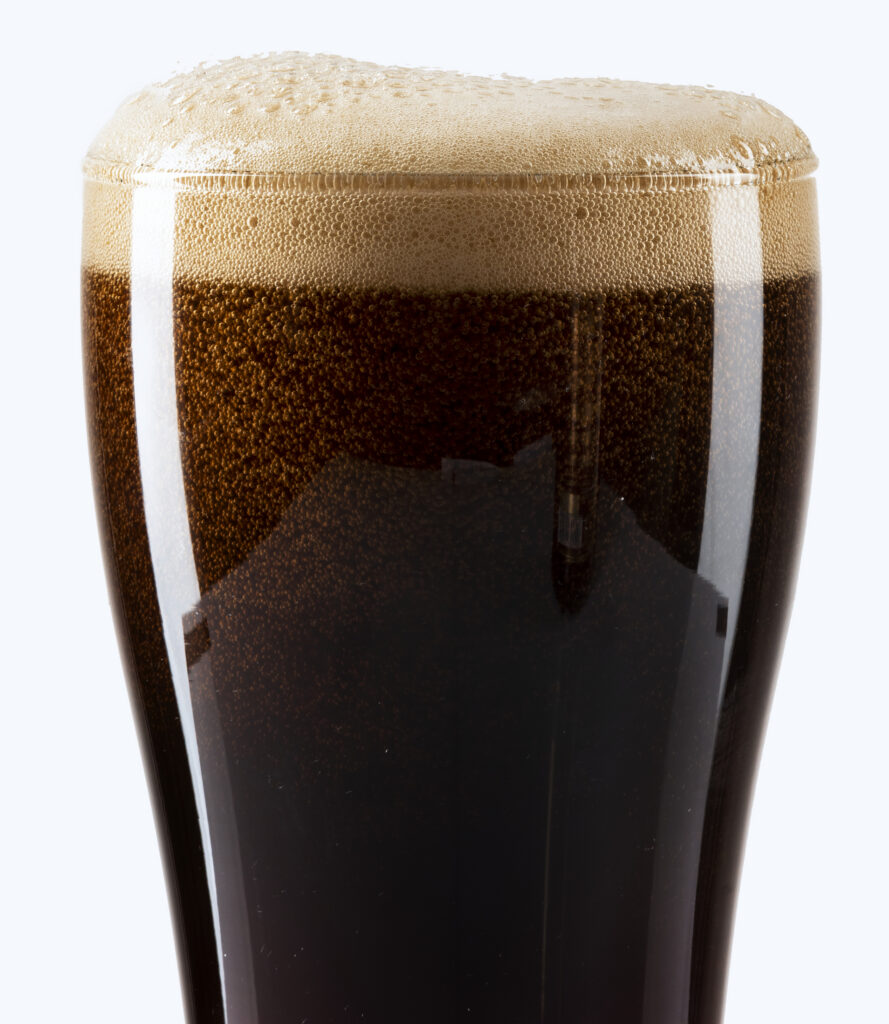
That is especially true with classic Irish beers, where flaws are easy to detect. A stout served carelessly, a draft line neglected, or a glass handled poorly can flatten the entire experience. On the other hand, a properly poured pint delivered with confidence has a kind of quiet theater to it. It signals standards. Even guests who cannot explain the mechanics can sense the difference.
Whiskey matters too, though not always in the collector’s sense. An excellent pub whiskey selection should feel thoughtful rather than showy. A short, smart list can outperform an encyclopedic one if the staff can actually speak to it. Guests remember when someone makes a good recommendation based on mood, budget, or food order instead of reciting labels.
A memorable drinks program also respects pacing. The best pubs are not trying to impress guests into silence. They are trying to support an evening. That might mean a first pint at the bar, a whiskey with dinner, an Irish coffee on a winter night, or a final drink after everyone has relaxed into the room. The sequence matters. Good operators know a pub experience is cumulative.
Food has become far more important than people used to admit
There was a time when many bars could get by on indifferent food so long as the pours were generous and the televisions were tuned correctly. That is much less true now, especially in New York. People have too many options, and even a casual night out is expensive enough that guests expect competence from the kitchen.
The good news is that pub food, when taken seriously, can be deeply satisfying. It does not need to be fussy. In fact, it should not be. What makes it memorable is comfort executed with discipline. Fish and chips with a crisp batter that stays crisp. Shepherd’s pie that tastes of actual slow-cooked depth rather than shortcut seasoning. A burger that arrives hot, juicy, and properly seasoned. Soda bread, soup, sausages, curry fries, or a roast special that feels made by people who understand why these dishes matter.
The trade-off is that pub kitchens must walk a narrow line. If they lean too hard into upscale reinvention, they can lose the grounded appeal guests came for. If they phone it in, the whole place starts to feel tired. The strongest operations know when to leave a classic alone and when to refine quietly. Better ingredients, more attention to texture, stronger stock, fresher frying oil, sharper plating standards, these upgrades improve the experience without turning the meal into a concept.
Food also changes who uses the space and when. A pub with a trustworthy kitchen becomes more than a drinking venue. It turns into a lunch spot for nearby workers, a pre-theater option, a family-friendly early dinner destination, and a weekend meeting place for groups with mixed agendas. That wider utility is part of what cements memory. People do not only remember one wild night. They remember a place that fit many versions of their life.
The room holds memory because it hosts rituals
Most beloved pubs become important through repetition. The same booth on Sundays. The first stop after a shift. The place to meet before a Rangers game, after a wake, after an engagement, after a bad day, after no particular occasion at all. Pubs are unusually good at holding these rituals because they are structured yet forgiving.
Restaurants often require a reservation and a plan. Cocktail bars can demand a certain mood, budget, or tolerance for performance. Clubs demand energy. Coffee shops turn tables. A pub sits somewhere in the middle. You can stay for one drink or four hours. You can celebrate or decompress. You can come dressed up or come in from the rain.
That flexibility gives the room emotional range. I have seen pubs in New York handle morning crowds after major life events, then pivot to lunch service, then host an after-work crush, then settle into late-night storytelling without losing their identity. Few hospitality formats can absorb that much human variety in a single day.
This is also why Irish pubs often become touchstones for people far beyond the Irish community. The emotional logic of the space is broadly human. It is about being fed, seen, and allowed to belong without too much ceremony.
Music, sport, and television can elevate or ruin the atmosphere
One of the reasons pubs are difficult to get right is that they operate on several channels at once. They are conversation spaces, dining rooms, sports bars, music venues, and neighborhood anchors, often in the same square footage. The memorable ones manage these identities without letting any single element dominate at the wrong time.
Live music is a good example. A well-timed acoustic set or traditional session can transform a room, especially when the musicians understand that they are part of the environment rather than the entire event. But music that is too loud, too long, or too aggressively amplified can break the social fabric that makes the pub appealing in the first place.
Televisions create a similar challenge. In New York, sports viewing drives meaningful traffic, and smart operators know the value of being the place where supporters gather for specific teams and matches. Yet there is a fine line between lively and overbuilt. A pub covered wall to wall in screens can start to feel generic, while a room with too few sightlines loses customers on game days.
What works best is intentionality. Owners and managers who understand their crowd make choices accordingly. They know when to prioritize a football match, when to lower the volume after the final whistle, when to let the room reclaim its conversational center, and when to keep the music off entirely because the crowd is making better music on its own.
New York gives the Irish pub its own distinctive edge
An Irish pub in Dublin and an Irish pub in Manhattan, Queens, Brooklyn, or the Bronx do not operate under the same pressures. Rent is higher in New York. Turnover pressure is stronger. Crowds are more mixed. Expectations around food quality, speed, and ambience are different. That tension is part of what makes a good Irish Pub NYC experience distinctive.
The city strips away a lot of romanticism. If a pub survives and thrives here, it usually does so because it works on practical terms. It serves people efficiently, hires well, builds repeat business, and maintains standards under pressure. Snowstorms, parade weekends, transit disruptions, theater rushes, corporate happy hours, tourist surges, and neighborhood lulls all test the operation in different ways.
What emerges from that pressure can be impressive. The strongest New York Irish pubs tend to be both rooted and adaptive. They preserve the social warmth and visual cues people associate with the category while responding intelligently to city life. They might offer a sharper lunch service than a rural pub would need. They may be more multilingual, more sports-driven, or more food-forward. They often serve a crowd that shifts dramatically by time of day.
That elasticity is one reason people remember these places. They feel tradition without stagnation.
The most memorable pubs get the little things right
When people describe a great night out, they usually speak in broad strokes. The room was lively. The bartender was terrific. The food was excellent. But those outcomes rest on operational details that are easy to overlook.
A few of the details that separate good from forgettable include:
- Clean glassware with no odor or residue.
- Comfortable lighting that flatters both the room and the food.
- Staff who make eye contact and acknowledge guests quickly.
- Bathrooms that are maintained throughout the night.
- Seating that works for both solo drinkers and groups.
None of those details are glamorous. All of them affect memory. A badly lit room can make people leave early. Dirty restrooms cast doubt on kitchen standards. Slow acknowledgement at the bar creates frustration before the first order is placed. Experienced operators know that hospitality is cumulative. Guests might forgive one miss, but not a pattern.
Temperature is another underappreciated factor. In winter, drafty entrances and uneven heat can make a space uncomfortable fast. In summer, over-air-conditioned rooms can feel sterile rather than refreshing. The best pubs create physical ease. That sounds simple, but in a packed New York room with an old building envelope, it takes attention.
There is a difference between themed and lived-in
Many businesses try to reproduce the idea of an Irish pub by assembling visual shorthand. Dark wood, Guinness signs, Celtic fonts, framed maps, perhaps a fiddle on the wall. These elements can be charming, but they are not enough. People can feel the difference between a room built as a set and one shaped over time by actual use.
A lived-in pub has friction and personality. Maybe the mirror behind the bar has slight age to it. Maybe the corner booth is everyone’s favorite because it somehow catches the light at the right hour. Maybe the staff has a running joke with regulars about a particular stool, or the kitchen has a soup that sells out when the weather turns. These are the marks of a place with memory.
That does not mean a newer pub cannot become memorable. It can. But it needs to earn texture through consistency, not purchase it through decor. Guests are surprisingly good at sensing whether a venue has an inner life.
Why people come back, even when the city keeps changing
New York constantly replaces itself. Favorite diners close. Rents rise. Bars rebrand. Crowds shift. Under those conditions, any establishment that becomes part of someone’s personal map carries unusual weight. A memorable pub becomes a reference point in a city that rarely sits still.
People come back because the experience gives them both predictability and possibility. They know the room will meet them well, yet no two nights are exactly alike. One evening brings a spontaneous conversation with a stranger. Another becomes a birthday that runs later than planned. Another is just one quiet pint after a hard week. The place accommodates all of it.
The emotional return on that kind of space is high. Guests may not articulate it in hospitality terms, but what they are really valuing is trust. They trust the room to hold up. They trust the staff to take care of them. They trust the place to feel like itself.
That trust is rare, and it is memorable.
A truly good pub leaves an imprint beyond the tab
If you ask someone about a great Irish Pub NYC experience a month later, they may not remember every dish, every song, or every round. What they tend to remember is the shape of the night. The warmth of the room after the cold street outside. The bartender who knew how to read the crowd. The easy talk that stretched longer than expected. The meal that was better than it needed to be. The sense that, for a few hours, New York felt less hard-edged and more human.
That is the real answer to what makes the experience memorable. It is not one thing. It is an accumulation of craft, care, and character. The room has to be right. The service has to be grounded. The drinks have to be handled properly. The food has to justify staying. The atmosphere has to invite connection without forcing it. When all of those parts align, the pub becomes more than a venue. It becomes a place people carry with them.
And in a city where attention is scarce and loyalty is earned the hard way, that kind of memory is about as meaningful as hospitality gets.
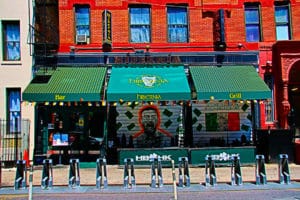
Hibernia Bar
401 W 50th St
New York, NY 10019, United States
Phone: +1 212-969-9703
FAQ About Irish Pub NYC
What is the best Irish pub in NYC?
The best choice depends on your location and preferred atmosphere. Hibernia Bar is a neighborhood Irish pub in Hell's Kitchen offering Guinness, Irish whiskey, pub food, and sports viewing.
Where do Irish people go in NYC?
New York's Irish community gathers in many neighborhoods and venues. Hibernia Bar welcomes Irish expats, local residents, and visitors at 401 W 50th St, just off Ninth Avenue.
Where can I watch GAA games in New York?
Hibernia Bar lists GAA among the sports it shows. Call +1 212-969-9703 to confirm coverage and opening times for a particular match before visiting.
What is the difference between a bar and a sports bar?
A sports bar emphasizes televised games and a shared viewing atmosphere. Hibernia combines sports viewing with the food, drinks, and hospitality of a neighborhood Irish pub.