Why a Pie Shop Visit Feels Like a Treat Every Time


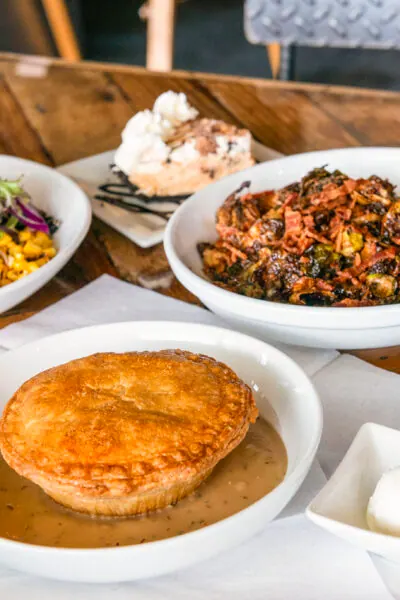
There are plenty of places to buy dessert. Supermarkets stack cakes in chilled cases, coffee chains line up muffins under glass, and every neighborhood seems to have at least one spot selling cookies the size of a salad plate. Yet a pie shop holds a different kind of pull. Even people who do not think of themselves as dessert seekers tend to soften when they step inside one. The reaction is immediate and recognizable. Shoulders drop. Eyes wander to the counter. Plans become negotiable.
Part of that pleasure is simple appetite, but appetite is only the beginning. A good pie shop offers something many modern food businesses struggle to preserve, which is a clear sense of purpose. It knows exactly what it is there to do. It is not trying to be a cocktail bar at night, a coworking lounge by day, and a retail concept store on weekends. It exists to make pies people want to eat, and that focus changes the feeling of the whole place.
That is why even a short visit can feel like a reward. The experience asks very little from you, but gives back more than expected. You walk in for a slice or a whole pie, and you leave with flavor, aroma, ritual, and often a bit of comfort you did not realize you needed.
The welcome starts before the first bite
Most food businesses talk a great deal about hospitality, but pie shops practice a quieter version of it. The welcome usually begins at the door, long before anyone speaks. Butter, toasted flour, warm fruit, cinnamon, browned sugar, maybe a little savory onion or roasted chicken if the shop does meat pies too, these scents do not need marketing copy. They do the work on their own.
Smell is powerful because it bypasses argument. You do not stand in a pie shop debating whether fresh apple filling smells pleasant. You just respond. There is also something deeply reassuring about the visual language of pie. A cake can look ceremonial. Pastry plated in a restaurant can look precious. Pie looks meant to be eaten. A burnished top crust, a bubbling edge of berry filling, a fluted rim, a lattice with a little sugar on top, these details signal care without stiffness.
The best pie shops understand display in a practical way. They do not need thirty-six choices to impress you. In fact, too much variety can work against pleasure. A well-run case with eight to twelve strong options often feels more abundant than an overcrowded one, because each pie looks intentional. Maybe there is a classic apple, a deep chocolate silk, a lemon meringue with a proper clouded top, and a seasonal pie built around https://archerjlwg630.zenbloomer.com/posts/how-a-pie-shop-creates-warm-moments-for-every-guest whatever is best that week. That kind of menu gives a customer confidence. Someone has made decisions already, and usually for good reasons.
Pie sits at the sweet spot between everyday and celebratory
One reason a pie shop visit feels special is that pie itself occupies unusual ground. It belongs to ordinary life and special occasions at the same time. People bring pie to Thanksgiving, birthdays, church suppers, condolence meals, weekend dinners, and random Tuesday nights when company stops by. Few foods travel across that many contexts without seeming out of place.
That flexibility matters. If you buy a pie, you are not always making a grand gesture. Sometimes you are simply choosing to make the evening better. A pie can rescue dinner after a hard week, soften an awkward family visit, or turn a quick meal with friends into something memorable. It can also carry a little ceremony without feeling expensive or showy.
This is one of pie’s quiet advantages over trend-driven desserts. It does not ask to be admired more than eaten. It invites sharing, but it also respects the person who wants a solitary slice and a cup of coffee. I have seen people enter a pie shop in work clothes, still thinking about deadlines, and leave with the lighter expression of someone who has remembered that pleasure can be uncomplicated.
Craft shows up in ways customers can actually taste
In any bakery, skill matters. In a pie shop, that skill is unusually visible. Pie is less forgiving than it looks. A crust can go tough if overworked, slump if under-chilled, or lose its crispness if the filling carries too much moisture. Fruit pies need balance more than sweetness. Custard pies need precision with heat. Savory pies need structure so they hold together without turning stodgy. Good pie looks rustic from a distance, but behind that ease there is judgment everywhere.
That judgment is part of what makes the visit feel worthwhile. Customers may not use technical language, but they can tell when the crust shatters lightly under a fork instead of chewing like damp cardboard. They can tell when peaches still taste like peaches rather than generic sugar. They can tell when a chicken pie contains actual pieces of meat and vegetables with distinct texture, instead of a beige filling that has surrendered all character.
A strong pie shop usually gets the fundamentals right with enough consistency that trust builds quickly. Once trust is there, even familiar flavors feel elevated. Apple pie becomes less about novelty and more about proportion. Is the fruit sliced thick enough to keep body? Is there enough acid to prevent the filling from tasting flat? Does the cinnamon support the apples or dominate them? These are small decisions, but they separate a pleasant dessert from one that lingers in memory.
The pleasure of limits
People often assume abundance means endless choice. In food retail, the opposite is often true. A pie shop tends to feel generous because it embraces limits. There are only so many pies the kitchen can make properly in a day, only so much oven space, only so much room in the case. Those limits shape quality.
If a particular slice sells out by late afternoon, that can be disappointing in the moment, but it also tells you the business is working with the realities of fresh baking rather than pretending inventory appears by magic. There is value in that. Scarcity, when it comes from honest production and not artificial hype, sharpens enjoyment. You pay attention to what is available. You ask questions. You try something you might have overlooked.
Seasonality plays a role here as well. A pie shop can express the calendar better than many restaurants because pie responds so naturally to shifting produce and weather. Early summer might bring strawberry or rhubarb. Late summer leans toward peach, cherry, and mixed berry. Autumn belongs to apple, pear, pumpkin, and pecan. Winter often favors custards, chess pies, citrus, and richer savory fillings. These changes help a regular customer feel time passing in a good way. The shop becomes part of the year’s rhythm.
There is comfort in a food that does not perform
Some foods now arrive wrapped in explanation. You are meant to understand the concept, decode the influences, appreciate the cleverness, and then maybe eat. Pie does not operate like that. Even when a pie shop is inventive, the format remains legible. You know what a slice is. You know how to share it. You know, more or less, what kind of pleasure is on offer.
That familiarity matters more than people admit. Not every treat needs to challenge you. There is emotional value in foods that offer reassurance without boredom. Pie manages that balance because it has range within a stable form. Coconut cream and steak and ale are very different experiences, yet each arrives with the same basic promise of crust, filling, and generosity.
A good pie shop also tends to resist unnecessary theatrics. The room may be charming, even stylish, but the center of gravity remains the food. Service often follows suit. Instead of a long script, you get practical guidance. The staff member might tell you the sour cherry is especially good today, or that the quiche just came out of the oven, or that the banana cream needs to stay cold if you are taking it home. Competence can feel luxurious when it is delivered so simply.
Memory has a seat at the table
Few foods trigger memory as reliably as pie. That does not mean everyone grew up eating it, but many people connect it to a person, a season, or a household ritual. Maybe it was a grandmother who rolled dough on a floured counter. Maybe it was a diner off the highway that always had decent coffee and pecan pie behind the register. Maybe it was the first dessert someone learned to bake on their own, because pie seemed both ambitious and forgiving.
A pie shop taps into those associations without needing to manufacture nostalgia. The object itself does most of the work. A lattice top can bring back a holiday kitchen. The smell of nutmeg can summon a specific November. Even the act of carrying a boxed pie home, careful not to tilt it in the car, has an old-fashioned satisfaction to it.
That emotional resonance is one reason pie shops often attract a wide age range. Younger customers may come for a slice and social media photo, older ones for a flavor they have loved for years, but both groups respond to the same core thing, which is that pie feels grounded. It does not chase attention. It earns attachment slowly, through repetition and reliability.
A pie shop can make hospitality feel local
Independent food businesses often become shorthand for a neighborhood’s character, and pie shops are particularly good at this. Their menus can reflect the place they belong to in subtle ways. In one region, a pie shop may lean heavily into berries because local farms make that possible. In another, savory hand pies might dominate because the customer base wants a quick lunch that can be eaten on the move. Some shops have a cult following for buttermilk pie, sugar cream pie, or a regional meat pie that outsiders barely know.
What matters is not forced local branding but a genuine relationship to place. When the pie shop feels specific to its community, the visit carries more texture. You are not just consuming a product. You are participating in a local habit. Regulars know which flavors disappear first. Staff recognize weekend customers. Someone inevitably orders the same thing every visit and still looks delighted when it arrives.
That familiarity has real business value, but for the customer it translates into warmth. You feel less like a transaction and more like part of a pattern. Even travelers pick up on that quickly. One of the surest signs of a worthwhile pie shop is a room where locals and visitors both seem comfortable, each for their own reasons.
The ritual is small, and that is exactly why it works
A treat does not have to be extravagant to feel meaningful. In fact, the most durable pleasures are often modest enough to repeat. Visiting a pie shop is rarely logistically complicated. You do not need a reservation, a dress code, or an evening cleared months in advance. You need twenty minutes, maybe less.
That accessibility is part of the emotional payoff. A slice after an appointment, a whole pie before dinner with friends, a savory pie taken back to the office on a rainy day, these are manageable acts of self-kindness. They fit into life as it is actually lived. There is very little friction between desire and fulfillment.
I think that is why pie shops become personal landmarks. People build private rituals around them. One person stops in every Friday after school pickup. Another buys a pie after each medical checkup, good news or bad, because the routine itself is steadying. Someone else orders the same tomato pie every summer weekend until the season ends, partly for the flavor and partly because repetition is its own form of pleasure.
Not every pie shop gets it right
Part of having affection for pie shops is admitting that some miss the mark. Sentiment cannot fix a bad crust. A cozy interior does not excuse fillings that taste canned, underseasoned, or cloying. And there is a genuine trade-off between ambition and consistency. A shop that offers too many rotating flavors may lose discipline on fundamentals. Another may be so committed to tradition that the menu starts to feel tired.
Price matters too. Pie is labor-intensive, and good ingredients are not cheap, especially butter, cream, nuts, and fresh fruit. Customers generally understand that. Still, there is a threshold where the numbers begin to fight the spirit of the product. Pie should feel cared for, not inflated into a luxury object that demands reverence. The best shops manage this tension well. They charge enough to sustain quality and skilled labor, but they protect the sense that pie remains accessible.
There is also the question of scale. A small neighborhood pie shop can charm through intimacy, but it may struggle with supply during holidays. A larger operation might solve that problem and lose some personality in the process. Neither model is automatically better. What matters is whether the business knows its strengths and protects them. Customers are remarkably forgiving of sold-out slices or a short menu when they sense integrity behind the choice.
What regulars notice first
People who visit a pie shop often start paying attention to details they once ignored. They notice whether the bottom crust stays crisp under juicy fruit. They notice whether whipped cream tastes fresh or comes from a canister. They notice if savory pies are properly seasoned all the way through instead of relying on salt on top. They notice coffee quality, because pie and coffee are companions, not strangers.
Over time, a customer also learns the rhythms of the shop. Some pies are best early in the day. Others settle beautifully after a few hours. Cream pies need colder handling. Fruit pies can taste more vivid at room temperature. Savory pies may be strongest on chilly days when the aroma meets the weather in exactly the right way. These observations are small, but they deepen the experience. The shop becomes not just a place to buy dessert, but a place you know how to enjoy well.
If someone wanted to get the most out of a first visit, the advice would be fairly simple:
- Ask what was baked that day, not just what is left in the case.
- Order one classic flavor and one seasonal flavor if you can.
- If the shop offers coffee, have the slice there at least once.
- Pay attention to the crust before deciding whether the pie is truly good.
- Return in a different season, because the best pie shops change with the year.
That may sound obvious, but it reflects how pie shops reveal themselves. They are not usually about a single dramatic experience. They become beloved through repeated competence and occasional surprise.
Why the feeling lasts after you leave
Some treats vanish the moment you finish them. A pie shop visit tends to linger. Part of that is practical. A whole pie sits on the counter or in the refrigerator, extending the pleasure into the next day. Even a single slice can color an afternoon. But the deeper reason is that pie engages more than hunger. It speaks to rhythm, place, memory, and care.
The box tied with string, the paper sleeve around a warm hand pie, the fork tapping a ceramic plate, the crackle of crust under pressure, these details stay with people because they are tactile and ordinary in the best sense. They feel lived in. There is no need to explain why they matter. The body recognizes a small ceremony when it encounters one.
A good pie shop understands that its product is not just dessert. It is a form of edible reassurance. The world can be noisy, expensive, rushed, and overdesigned. Then you walk into a room that smells like butter and fruit, choose something made by hand, and remember that satisfaction does not always need to be complicated. That is why the visit feels like a treat every time. The pleasure is immediate, but it is never shallow.
3.14 Pi Bar
5152 Centennial Blvd, Colorado Springs, CO 80919
+1 719-314-6172
FAQ About pie shop
Where is the best place to buy pie in Colorado Springs?
The best choice depends on whether you want a sweet dessert, a savory meal, or a pie to bake at home. 3.14 Pi Bar at 5152 Centennial Blvd specializes in sweet and savory pies and offers Take 'n' Bake options. Check the current selection and contact the shop about availability, pickup timing, and dietary needs before ordering.
Who makes the best pot pies in Colorado Springs, CO?
Preferences vary by filling, crust, and portion size. 3.14 Pi Bar offers hearty savory pot pies alongside its sweet pies. Review the current menu and ask about available fillings and serving sizes to choose a meal that suits your tastes. Specific varieties may change.
Who has the best apple pie in Colorado Springs?
Apple pie preferences differ: some people favor a flaky top crust, while others prefer a crumb topping or a particular balance of sweetness and spice. 3.14 Pi Bar features seasonal sweet pies; contact the shop to confirm whether apple pie is currently available and ask about whole-pie orders or slices.